Why Ligue 1 Marquee Fixtures in 2012/2013 Were Systematically Overpriced
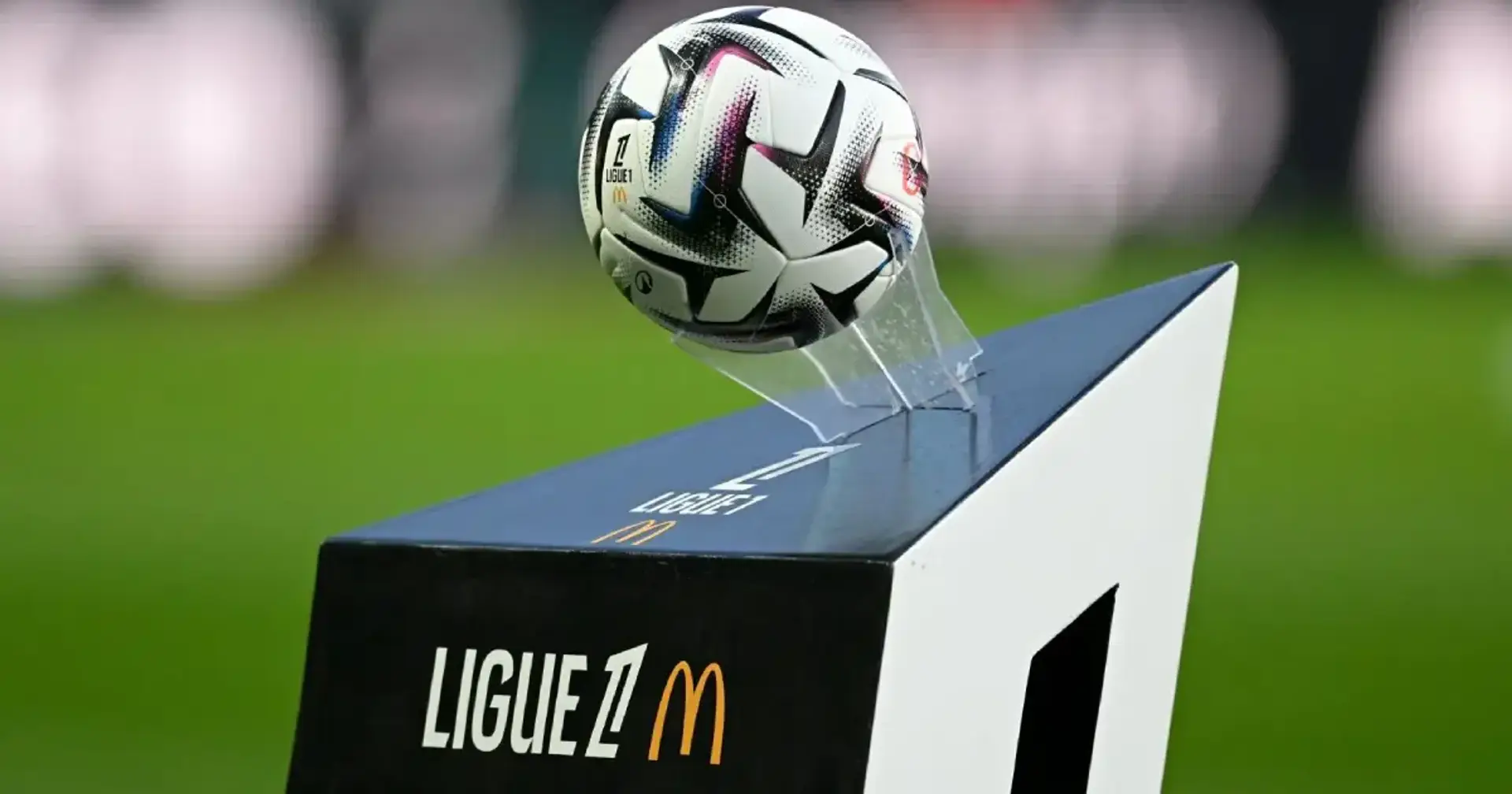
Marquee encounters between top-tier French clubs during the 2012/2013 Ligue 1 campaign consistently generated intense media coverage and heavy public betting activity. This heightened public interest frequently caused oddsmakers to inflate line prices and goal totals beyond what underlying performance metrics justified. When analyzing these high-profile matchups through an odds interpretation perspective, it becomes clear that public narrative bias systematically distorted market pricing, creating predictable misalignments between implied match probabilities and actual tactical reality on the pitch.
Public Narrative Bias and Line Inflation in High-Profile Matches
Media framing around major rivalries between clubs like Paris Saint-Germain, Marseille, and Lyon consistently generated an artificial inflation of match expectations. Public bettors heavily favored star-studded lineups and high-scoring narratives, forcing oddsmakers to shade handicap spreads and goal totals upward to mitigate risk against heavily unbalanced liabilities.
When casual money floods the market ahead of a televised clash, odds movements reflect public sentiment rather than objective tactical equilibrium. Examining how bookmakers construct lines on a betting interface such as ufabet mobile app reveals that early public money systematically compresses implied odds on popular favorites, forcing oddsmakers to adjust lines past fair value markers to maintain balanced books.
Structural Divergence Between Market Expectations and On-Pitch Reality
The disconnect between public betting enthusiasm and actual pitch execution in 2012/2013 Ligue 1 big matches stemmed directly from tactical risk aversion. While the betting market priced marquee fixtures under the assumption of explosive attacking displays, head coaches faced immense pressure to avoid losses against direct table rivals, resulting in compact defensive setups and low-event football.
| Fixture Category | Public Market Implied Volatility | Actual On-Pitch Tactical Line | Market Outcome Bias |
| Top-Four Title Deciders | High Goal Expectancy (> 2.75) | Ultra-Compact Mid-Block | Systematic Under Overpricing |
| Traditional Derby Matches | Favored Domestic Heavyweight | High-Foul, Low-Space Transition | Asian Handicap Cover Deficit |
| Champions League Spot Battles | Asymmetric Handicap Spreads | Symmetrical Risk Minimization | Draw Market Underpricing |
The comparative table above contrasts the betting market’s initial assumptions against the reality of pitch dynamics during top-tier 2012/2013 fixtures. While odds structures consistently priced in high excitement and clear winning margins, the actual match conditions defaulted to cautious spatial control and minimal risk exposure.
This systematic divergence demonstrates that price inflation on marquee teams was an ongoing structural feature of the betting market rather than a series of isolated anomalies. Recognizing this discrepancy allowed sharp market observers to identify value by fading heavily hyped favorites and over-inflated goal totals.
Sequential Stages of Market Line Distortion in Marquee Games
The lifecycle of an overpriced Ligue 1 line followed a predictable chronological trajectory from initial opening numbers to final pre-kickoff adjustments. Tracking this sequence highlights exactly how public capital accumulation distorted implied winning percentages as matchday approached.
- Opening Line Publication: Oddsmakers posted realistic baseline prices rooted strictly in long-term statistical models and squad efficiency ratings.
- Media Pressure & Public Cash Accumulation: As broadcast coverage amplified match narrative tension, recreational bettors poured into back high-profile favorites and Over goal markets.
- Bookmaker Margin Shading: Oddsmakers systematically shaded odds downward on the popular side to disincentivize further public accumulation, creating inflated price lines.
- Late Sharp Money Correction: In the final two hours before kickoff, professional syndicates stepped in to take advantage of the inflated price, backing the underdog or Under total at peak market value.
Understanding this four-stage pricing lifecycle explains why timing was crucial when evaluating marquee 2012/2013 fixtures. Betting alongside initial market sentiment meant absorbing terrible value, whereas waiting for public money to peak created substantial pricing edges on the opposing outcome.
Consequently, interpreting odds in big matches requires isolating the movement cause behind each line shift. Differentiating between public narrative momentum and genuine tactical line adjustments prevents bettors from paying inflated premiums on marquee names.
Tactical Neutralization and the Inflation of Over/Under Totals
In major encounters during the 2012/2013 season, elite French managers routinely prioritized nullifying opponent strengths over displaying their own attacking firepower. High-priced offensive units were frequently neutralized by double-pivots and disciplined backlines, resulting in low-chance encounters that failed to match high-scoring market expectations.
Spatial Compression in Central Channels
When two top-tier squads clashed, midfield spaces were aggressively compressed, restricting time on the ball for primary playmakers. This spatial compression drastically reduced shot creation from central areas, forcing teams into low-probability crossing strategies that naturally favored central defenders and suppressed goal totals.
Identifying Value Through Market Overreaction Metrics
Capitalizing on overpriced marquee matches required comparing market-implied probabilities against historical performance baselines in similar tactical conditions. When a top team’s implied winning probability exceeded 65% in a away derby fixture where their historical win rate in that specific context was under 45%, a clear market distortion existed.
A clear contrast emerged between public teams carrying star power and understated, defensively sound opponents who consistently covered inflated spreads. Monitoring price variances across a primary casino online website or secondary market feed illustrates how public preference for high-profile attackers routinely caused bookmakers to price underdog defensive resilience far below its true operational value.
Limitations and Conditions Where Line Inflation Fails to Yield Value
Fading overpriced marquee favorites was not an infallible strategy, particularly when a genuine quality disparity overwhelmed tactical risk aversion. If an opposition team suffered critical central defensive injuries or lacked the athletic capacity to maintain a low block for 90 minutes, the favorite’s inflated line often proved completely justified.
Additionally, early match red cards or early defensive errors could immediately invalidate pre-match tactical caution. When an early goal forced a defensive team to push forward, the game opened up dramatically, allowing the favorite to exploit space and cover inflated Asian Handicaps despite initial overpricing concerns.
Summary
Marquee fixtures in Ligue 1’s 2012/2013 season were consistently overpriced due to public narrative bias, media hype, and recreational betting volume pushing lines past fair value. Interpreting odds through a rigorous analytical framework revealed that defensive caution and spatial compression repeatedly defied market expectations, creating reliable value opportunities by backing underdogs and under totals when public sentiment reached its peak.