Scientists Solve the Genetic Mystery Behind a Fatal Brain Disorder in Babies
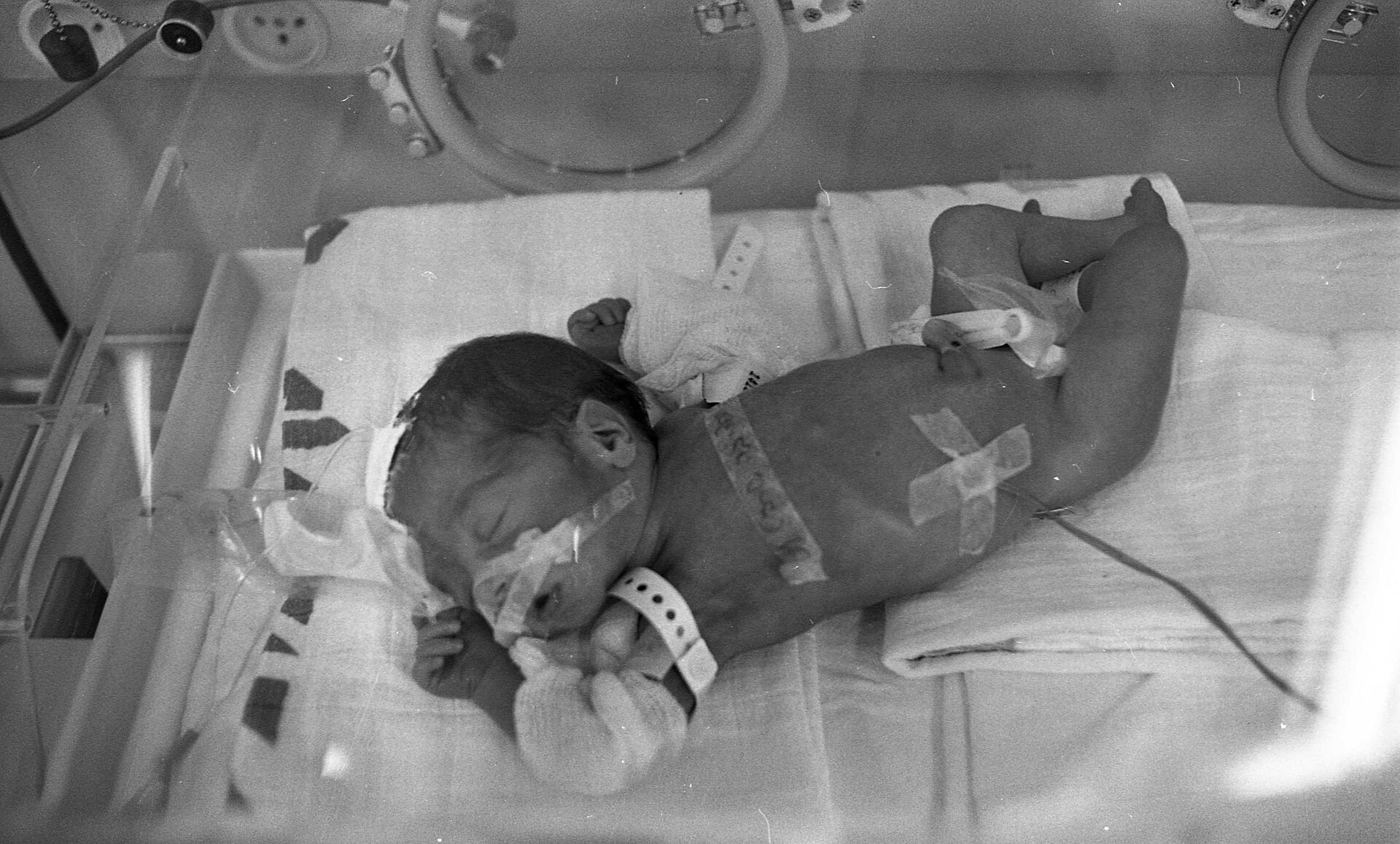
Researchers have identified the genetic cause of a fatal brain disorder in babies and young children, giving long-awaited answers to five families whose children were affected. The study, published in Genome Medicine on 11 November 2026, was led by researchers at King Abdullah University of Science and Technology and King Faisal Specialist Hospital and Research Center in Saudi Arabia. It brought together five unrelated families from Saudi Arabia, Europe and North America whose children showed similar patterns of illness, including severe brain abnormalities visible on pregnancy ultrasound and MRI scans. By comparing the cases and testing cells in the laboratory, the team found that all the children carried changes in the same gene, VPS25, which helps maintain nerve cells. It is the first evidence linking changes in VPS25 to a human disorder.
What the Evidence Shows
VPS25 is part of a cellular system called ESCRT-II, which sorts the tiny packages cells use to transport materials and to communicate with each other. The researchers found that the gene changes disrupted these processes, altering both the number and the contents of the small packages released by cells. Recognising the condition as a previously unknown disorder gives clinicians a new gene to consider when investigating children with similar unexplained brain abnormalities, and it gives affected families a diagnosis after years of uncertainty. The findings also open a path to understanding how the condition develops, which is the first step toward any future treatment. For the families involved, the discovery ends a diagnostic search that in some cases lasted years. The researchers say the next step is to study how the disrupted transport affects developing brain cells, and whether the pathway can be targeted by future therapies. Reporting and analysis from sources such as National Science Foundation track the same developments, and specialists following the VPS25 gene disorder say the direction is now consistent across independent lines of evidence.
The Wider Context
The wider context is a research landscape in which replication and open data now decide reputations. Findings connected to the VPS25 gene disorder are being checked by independent groups with shared datasets, and the teams involved publish their methods in full so rivals can test every step. That discipline is slower than a headline cycle, but it is why results in this area increasingly survive first contact with scrutiny.
What Happens Next
What happens next in the story of the VPS25 gene disorder will be decided by follow-up work already under way: larger samples, longer observation and instruments that have not yet come online. The researchers involved are unusually united on one point, that the current results justify the next investment of time and money. Readers will not have to wait long for the first tests of that claim. You can follow related developments in our coverage of science.
There is a practical lesson in all of this for readers deciding what to do today. Start with the verified facts, be wary of anyone promising certainty, and prefer reversible steps while the evidence is still developing. Circumstances differ by country, income and personal situation, so general guidance should always be weighed against your own context before you act on it in any significant or lasting way.