Seaside Piers Win Funding for Repairs and New Attractions
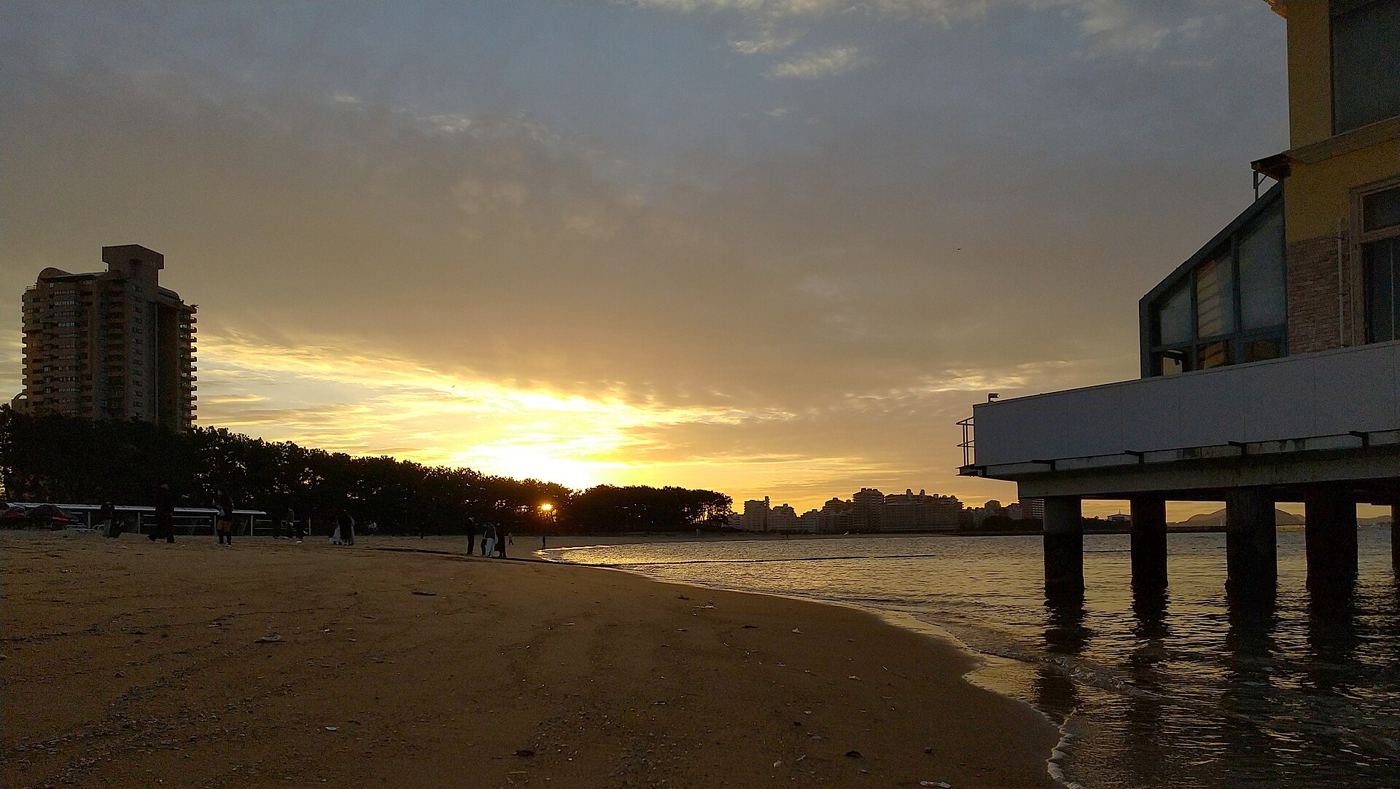
Seaside piers, the wooden and iron walkways that have stretched out to sea for more than a century, are winning new funding for repairs, as towns rediscover their value as places to stroll, to fish and to watch the sunset. Many piers fell into disrepair as holiday habits changed and maintenance bills grew, with storms and sea water eating away at the structure beneath the deck. Yet visitors still come in large numbers, drawn by the arcades, the cafes, the fairground rides and the simple pleasure of walking above the waves. Councils and pier owners say the funding will pay for new decking, stronger supports and better lighting, and that a restored pier brings visitors who spend in the shops and cafes along the front. Local people say the pier is the symbol of their town, the first thing on a postcard and the place where generations have taken their evening walk.
What the Evidence Shows
Heritage experts say the piers are worth saving because they are rare, with only a few dozen of the hundreds once built still standing. They argue that a pier works best when it mixes old and new, keeping its traditional shape while adding attractions that suit modern visitors, from food stalls to live music and art exhibitions. Some piers have become community spaces, hosting markets, charity walks and school visits, while others have added fishing platforms and viewing decks for seabirds. Engineers warn that the sea never stops testing the structure, so regular maintenance matters more than any single repair. For the towns, the restored pier is a promise that the seafront still matters, and that a walk to the end of the pier, with the wind in your face, is a pleasure worth keeping. Reporting and analysis from sources such as Reuters track the same developments, and specialists following the revival of seaside piers say the direction is now consistent across independent lines of evidence.
The Wider Context
The wider context is a public conversation conducted at a speed institutions were not built for. Developments around the revival of seaside piers are announced, contested and revised within a single news cycle, and the officials involved have learned to publish evidence alongside claims so that scrutiny can actually occur. Trust, the polling suggests, follows that transparency more than it follows confidence.
What Happens Next
What happens next in the story of the revival of seaside piers will be decided in the places where it is being implemented, measured and argued about in public. The officials and organisations involved have committed to publishing progress data, and that commitment gives residents, businesses and journalists something firmer than promises to judge. The next milestones are dated, which means they can be checked. You can follow related developments in our coverage of news.
There is a practical lesson in all of this for readers deciding what to do today. Start with the verified facts, be wary of anyone promising certainty, and prefer reversible steps while the evidence is still developing. Circumstances differ by country, income and personal situation, so general guidance should always be weighed against your own context before you act on it in any significant or lasting way.